In 2003, April was designated as National Gardening Month to encourage more people to enjoy the benefits of gardening. Gardening provides a simple way to be physically active and promotes wellbeing while also enhancing the home environment. In addition to the benefits provided to people and plants, wildlife and pollinators benefit from a home garden.
 Source: Sylvania Franciscans
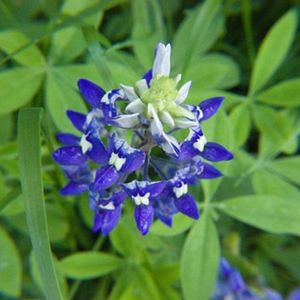
The bluebonnet, our Texas State Flower, is the larval host plant for the elfin butterfly and hairstreak butterfly.
In the home landscape, the most common types of gardens include floral, herb, and vegetable gardens. With some advanced planning and adequate gardening time, you can enhance your landscape with all three types of gardens.
When planning for a new garden, one of the most important aspects is to start small. Beginning with a controlled space will require less gardening time and provide a successful experience. Walk through your home landscape with a notepad or take notes on your phone. Notice where there is sun and where there is shade in your landscape. If you plan to grow vegetables or other plants that require sun, try to position the new garden in an area that receives at least six hours of sunlight each day. If trees have not fully leafed out, make your best judgement as to where the shade will be located.
Due to the clay soil in our geographic location, building a raised garden or planting bed is often more productive than attempting to plant directly in the clay soil. A raised garden bed keeps plant roots above the clay soil and eliminates drainage issues. For tips to build a raised bed garden, former Texas A&M AgriLife Extension Horticulture Specialist, Skip Richter, provides essential information in this tutorial. In our Plant Hardiness Zone 9b, the average date of the last freeze is March 11 (National Oceanic and Atmospheric Administration). When this date has passed, it is safe to begin planting vegetables.
In Zone 9b, there are two different vegetable gardening seasons: warm season (spring) and cool season (fall). The following plants grow well in each planting season:
Cool Season
-
Beet
-
Carrot
-
Cabbage
-
Broccoli
-
Onion
-
Greens
-
Radish
-
Turnip
-
Lettuce
-
Collard
Warm Season
-
Corn
-
Bean
-
Okra
-
Pepper
-
Squash
-
Cucumber
-
Tomato
-
Eggplant
Consult the Texas A&M AgriLife Extension Service vegetable planting chart for either Montgomery County or Harris County, depending upon where you live:
Deciding which flowers or ornamental plants to use in your landscape can be challenging. The Texas A&M AgriLife Extension Service has spent time and expertise testing plants that thrive in Texas, which can be found on the Texas Superstar website. This site provides information about these rigorously tested plants, which are easy to grow in your home landscape.
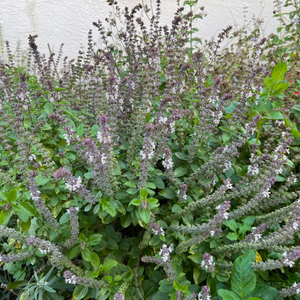
African blue basil, pictured above, attracts many different species of bees to the home garden. An herb garden is a great starting place for beginners. Many herbs can be grown in containers, ideal for small spaces. Home chefs will benefit from fresh herbs within easy reach. Pollinators also benefit when you grow herbs like dill, basil, fennel and yarrow. For detailed information about creating a home herb garden, read more here.
Add a new garden feature to your home landscape this April in honor of National Gardening Month! If you’re not sure where to start, check out the Township calendar for our next gardening class.
For more information, contact the Environmental Services Department at enviro@thewoodlandstownship-tx.gov or 281-210-3800.