Are you a seasoned gardener looking for your next challenge or perhaps a budding zero-waste enthusiast ready to leap into action? Using worms may be a great choice if you are looking to accelerate the composting process or are short on outside space – and your plants will thank you!
Worm composting, known officially as vermicomposting, is an indoor method using red wiggler worms to break down kitchen food scraps, producing rich compost in a matter of weeks. The US Environmental Protection Agency estimates that 24% of the volume of landfills is wasted food. When used in landscape beds or added to potted plants, worm castings increase soil fertility and, thus, the health of your plants. Composting with worms is inexpensive, easy, space-saving and turns food waste into black gold.
What You’ll Need
-
An opaque plastic container with a lid
-
One pound of red wiggler worms
-
A small garden digging fork or trowel
-
Bedding material, such as shredded newspaper, cardboard, or coconut coir
-
A spray bottle
-
Distilled water
Getting Started
Check out this comprehensive guide from NC State Extension Specialist Rhonda Sherman. Starting a worm composting system is a simple process:
-
Purchase a bin to house the worms or make your own.
-
Identify a good place in your home for storing the bin like a closet or under the sink.
-
Purchase a supply of red wiggler worms (Eisenia fetida).
-
Moisten shredded paper, cardboard or coconut coir as bedding and add to the worm bin.
-
Add kitchen scraps and cover with more bedding, then place the worms in the bin.
-
Check on the bin every day or two, misting with water if it’s dry and adding more bedding as needed or if too moist.
-
Feed worms more scraps weekly. Under ideal conditions, worms can eat their weight in scraps per week (one pound of worms can consume up to one pound of scraps).
-
Harvest the worm castings.
-
Top-dress indoor or outdoor plants with castings to increase nutrients and beneficial microorganisms.
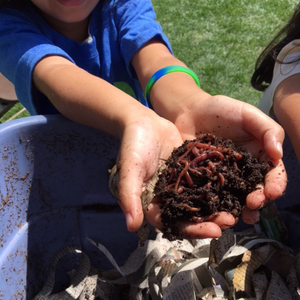
It’s important to identify a good location for the worm bin; the optimal temperature range for red wigglers is between 60 and 77 degrees Fahrenheit. In our southeast Texas climate, worms must be kept indoors because they will die if it is over 95 degrees Fahrenheit. Common locations where the worms will be undisturbed but not forgotten include under the sink or inside a closet. The garage is much too hot for red wigglers to survive. Ensure that your bin is opaque with a secure lid to keep out light and contain the worms.
What to Feed Your Worms
Do
Don’t
-
Meat and bones
-
Oily foods
-
Citrus peel
-
Grains
-
Dairy products
-
Salty foods
Tips for Success
Maintaining the worm bin requires creating a routine. Add food scraps and check the bin moisture once a week. Be sure to only add foods from the “do” list and cover with bedding to deter fruit flies. Each time the worms are fed, place the food in a different location in the bin. This entices the worms to move around in the bin, leaving their castings in an even layer on the bottom. Over time, the worms will consume some of the bedding; this is normal. Additional bedding may need to be added about once per month. Simply add more bedding and moisten it with the spray bottle.
Troubleshooting Common Problems
Foul Odor
Potential Cause: Overfeeding
Reduce amount fed and stop feeding for a few days.
Potential Cause: Not Enough Air
Use small gardening tool to fluff up bedding.
Potential Cause: Too Wet
Add dry bedding.
Worms Dying
Potential Cause: Bin Too Moist
Drain excess water and add dry bedding.
Potential Cause: Bin Too Cool or Too Warm
Check internal bin temperature.
Potential Cause: Not Enough Food
Add extra food.
Too Dry
Potential Cause: Not Enough Moisture
Spray gently with distilled water until bedding is moistened.
Fruit Flies
Potential Cause: Too Much Food in Bin
Add more bedding, place fruit fly traps around bing and keep kitchen scraps refrigerated to prevent infestation with fruit flies.
Harvesting & Using Vermicompost
When a few inches of worm castings have accumulated in the bottom of the bin, it is time to harvest the castings. Follow these steps to harvest castings:
-
Remove the top 1/3 of the bin (bedding, food scraps and worms)
-
Scoop out the bottom layer and place in a separate container for use on plants
-
Return the top 1/3 containing bedding, food scraps and worms
-
Add fresh bedding and gently mix well
For instructions on three additional methods of harvesting vermicompost, visit this guide.
Worm castings are a rich addition to soil, whether in potted plants or in the garden.
-
Soil amendment: Blend three parts potting soil to one part worm castings.
-
Fertilizer: Top-dress houseplants and outdoor container plants with a shallow layer of worm castings.
-
Transplanting: Add a scoop of worm castings to the bottom of the planting hole, then add the plant and cover with potting soil or garden soil.
Worm Composting Resources
Unfortunately, there are no local worm farms in the Montgomery County area. Research online retailers, making certain that the retailer sells red wigglers worms (Eisenia fetida) by the pound. One pound of red wigglers equals approximately 1,000 worms and a good ratio to start is one pound of worms per square foot of surface area.
For more information, watch the video or visit the guide below:
For more information, contact the Environmental Services Department at enviro@thewoodlandstownship-tx.gov or 281-210-3800.